
 Español
 Français
 Deutsch
 Português
 Italiano
 Nederlands
 日本語
日本語 한국어
한국어 中文
中文 العربية
5 things about plant protein I was wrong about
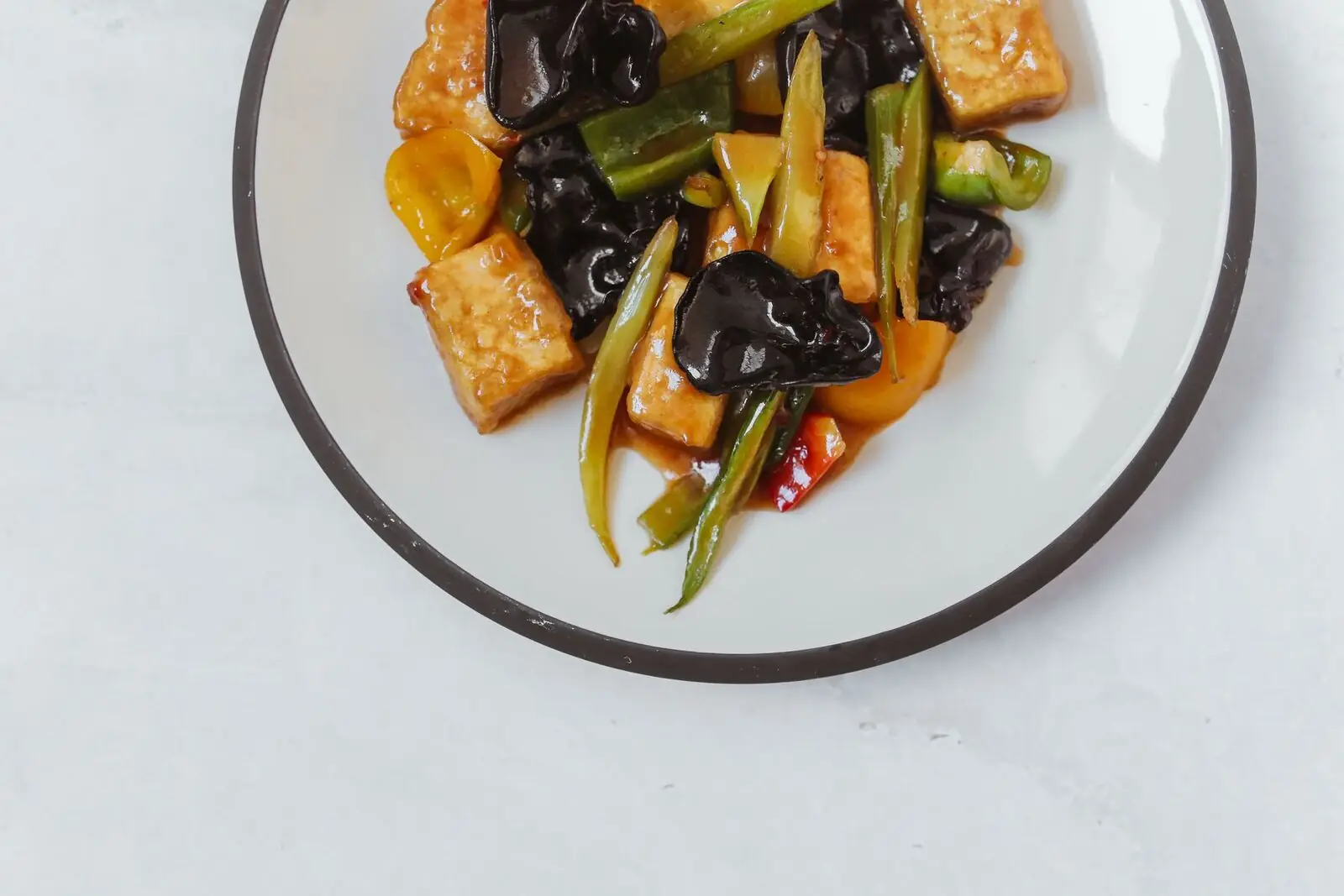
I went plant-based thinking I had the basics figured out. I was wrong. I spent two years repeating advice that was either outdated or completely false. Here are five things I got wrong, in the order I finally corrected them.
I treated protein powder like a multivitamin for people who lift. Got a meal that looks a little light? Throw a scoop in. Problem solved.
Except it doesn't work like that. The real driver per meal is the leucine threshold. You need roughly 2.5 to 3g of leucine to trigger muscle protein synthesis, paired with a whole-food amino-acid profile that doesn't bottleneck at a limiting amino acid.
A cheap pea isolate can give you 20g of protein and still leave you short on methionine. Your body will just burn that protein for energy instead of building muscle with it. Stop adding more powder. Start using better-combined food.
I believed this for a long time. The 1970s vegetarian literature was obsessed with the idea that you had to eat rice and beans in the exact same bite. I used to panic if my lunch was just lentils.
Your body pools amino acids across the day. Your liver maintains a circulating pool and draws from it as needed. Eating complementary proteins in the same meal improves that meal's quality. It is great if you train hard, but the timing isn't life or death. Beans at noon and rice at six works. Beans at noon and rice on Tuesday also works.
The people who originally pushed the "combine at every meal" rule later admitted they were wrong. The internet just never got the memo.
I avoided soy for two years because of the phytoestrogen rumors. I ate seitan and peas instead, thinking I was playing it safe.
Soy is one of the only complete plant proteins, and it is packed with leucine. Tofu, tempeh, edamame, and soy milk are workhorses. The hormone panic falls apart at normal intakes. A serving or two a day will not hurt you. Countries with high soy consumption show zero evidence of the hormonal chaos people claim.
I threw away two years of high-quality protein over a folk theory. Learn from my mistake.
This one is sneaky. If the label says 20g, your body gets 20g, right?
Protein has a digestibility score. The current gold standard is DIAAS. Plant proteins generally score lower than animal proteins due to fiber and antinutrients. A bowl of lentils will not hand you 100% of its listed protein the way whey does. The gap is small, but it adds up over time.
Here is the rule I use now. If you eat almost entirely plant-based, aim for 10–20% higher total protein than the label math suggests. Pay extra attention to leucine, since that is the one you will miss. I am not criticizing plant protein. You just need to know exactly what you are working with.
I really wanted this to be true. Broccoli has protein! Spinach has protein! Eat your greens and you will be fine!
Per calorie, vegetables are a garnish. A whole cup of broccoli has about 2.5g of protein. You would have to eat a physically impossible volume to get a meaningful dose. The actual heavy lifters on a plant-based plate are these:
- LegumesLentils, beans, chickpeas, and peas for lysine
- SoyTofu, tempeh, and edamame for leucine
- SeitanWheat gluten for sheer protein density
- Whole grainsOats, quinoa, and farro for methionine
- Nuts & seedsPumpkin seeds, hemp, and chia to round out amino acids
Vegetables are necessary for fiber and micronutrients. They will not give you enough protein. Pretending they do is how people end up starving for protein while feeling proud of their giant salads.