
 Español
 Français
 Deutsch
 Português
 Italiano
 Nederlands
 日本語
日本語 한국어
한국어 中文
中文 العربية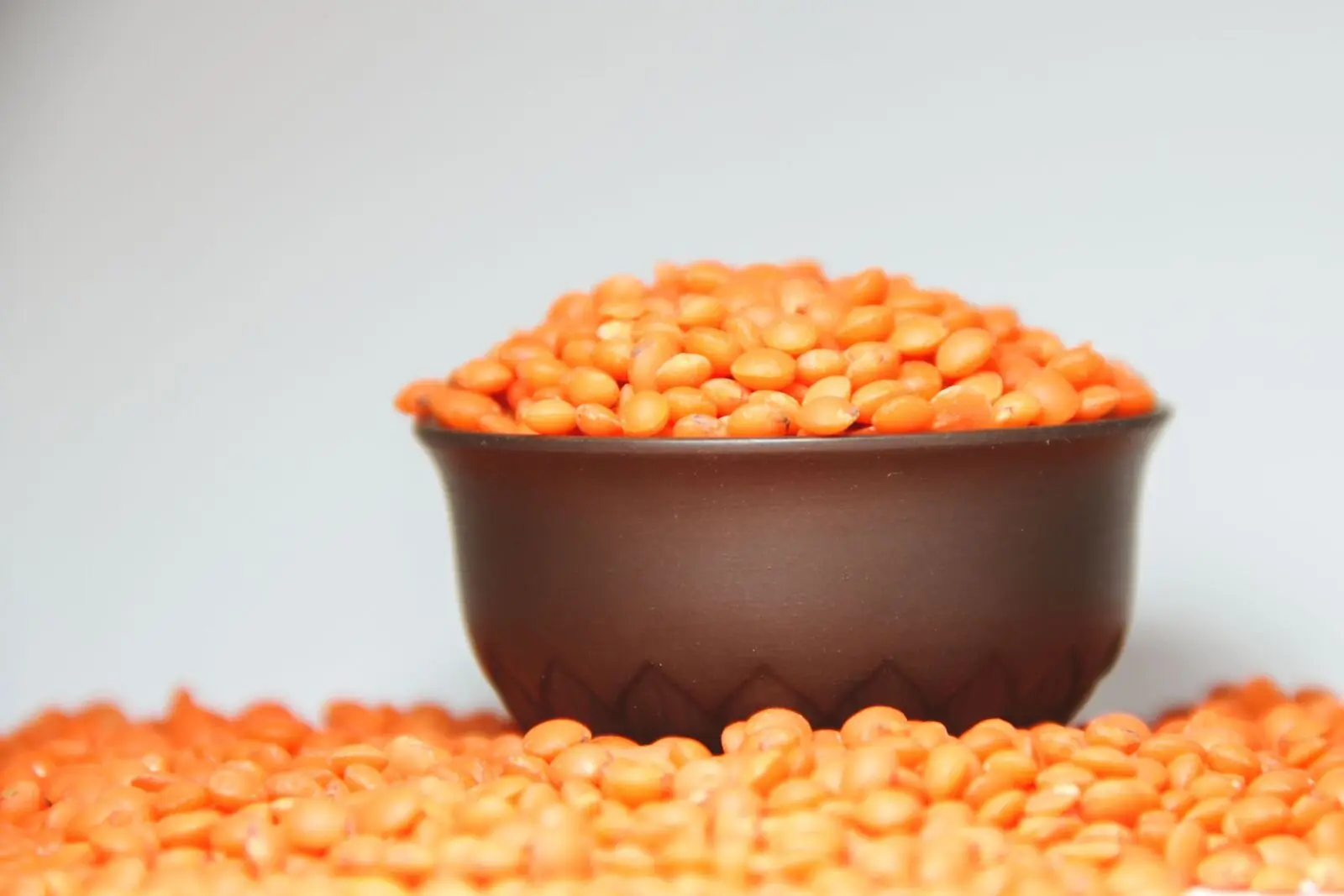
People call animal protein "complete" because it contains all nine essential amino acids in the exact ratios our bodies require. Plant protein has the same nine amino acids. The ratios are simply different. Legumes pack a lot of lysine but fall short on methionine. Grains and seeds do the exact opposite. They offer plenty of methionine but barely any lysine.
Put them together and the gaps vanish. This is old news. Cultures worldwide figured this out centuries ago. You see it in rice and beans across Latin America, dal and rice in South Asia, falafel and pita in the Levant, and miso paired with rice in Japan. These meals survived history because they taste good and cost pennies. Nobody called them biochemically complete back then, but that is exactly what they are.
You do not need every amino acid in a single bite. You just need them over the course of a day. Eating these specific combinations makes that requirement a non-issue.
Here are seven of the cheapest and most reliable food combinations to keep in your kitchen. I based the cost estimates on bulk-bin prices in an average city. Your local prices will vary, but the nutritional math remains the same.
Rice & beans
Lysine from the beans, methionine from the rice. The original complete meal. A few billion people eat it daily because it works.
Hummus & wholewheat pita
Chickpeas provide the lysine, wheat provides the methionine. A Levantine classic that has worked for thousands of years.
Peanut butter on wholegrain toast
Pea-family protein meets grain protein. This is the absolute cheapest complete breakfast you can make in the West.
Lentil dal & rice
The same logic as rice and beans, but with a softer texture. Cook a massive pot on Sunday and eat complete protein all week.
Oats with soy milk & pumpkin seeds
Oats and soy milk bring lysine to the bowl, while the pumpkin seeds deliver methionine. It is one of the highest-quality breakfasts you can put together in five minutes.
Tofu stir-fry with brown rice
Soy is a complete protein on its own. The rice simply stretches the meal to keep you full. Tofu is the rare plant protein that requires no partner.
Wholewheat pasta with peas & nutritional yeast
Wheat meets pea, topped with a savory umami kick and a solid dose of B12. Three cheap ingredients make one nutritionally solid plate.
The fine printTotals still matter most
Keep one thing in mind before you stock up. Total daily protein does the heavy lifting. If you only consume 20 grams of protein a day, no food combination will save you. You need a baseline of at least 1.2 grams per kilogram of body weight if you sit at a desk all day. Push that to 1.6–2.0 g/kg if you lift weights.
Mixing these foods is not a magic trick. It just makes for smarter meals. You get a highly usable amino acid profile for a fraction of what meat or supplements cost. The food you already eat starts working harder for your muscles. You cannot beat that return on investment.
Legumes lack sufficient methionine. Grains and seeds lack lysine. Eat them together. Rice and beans, dal and rice, peanut butter on toast, or hummus and pita all create a complete protein. You will often spend less than a dollar per plate. Hit your daily protein total first, then focus on these specific food pairings.